

%20(1)_edited.png)
AFRICAN
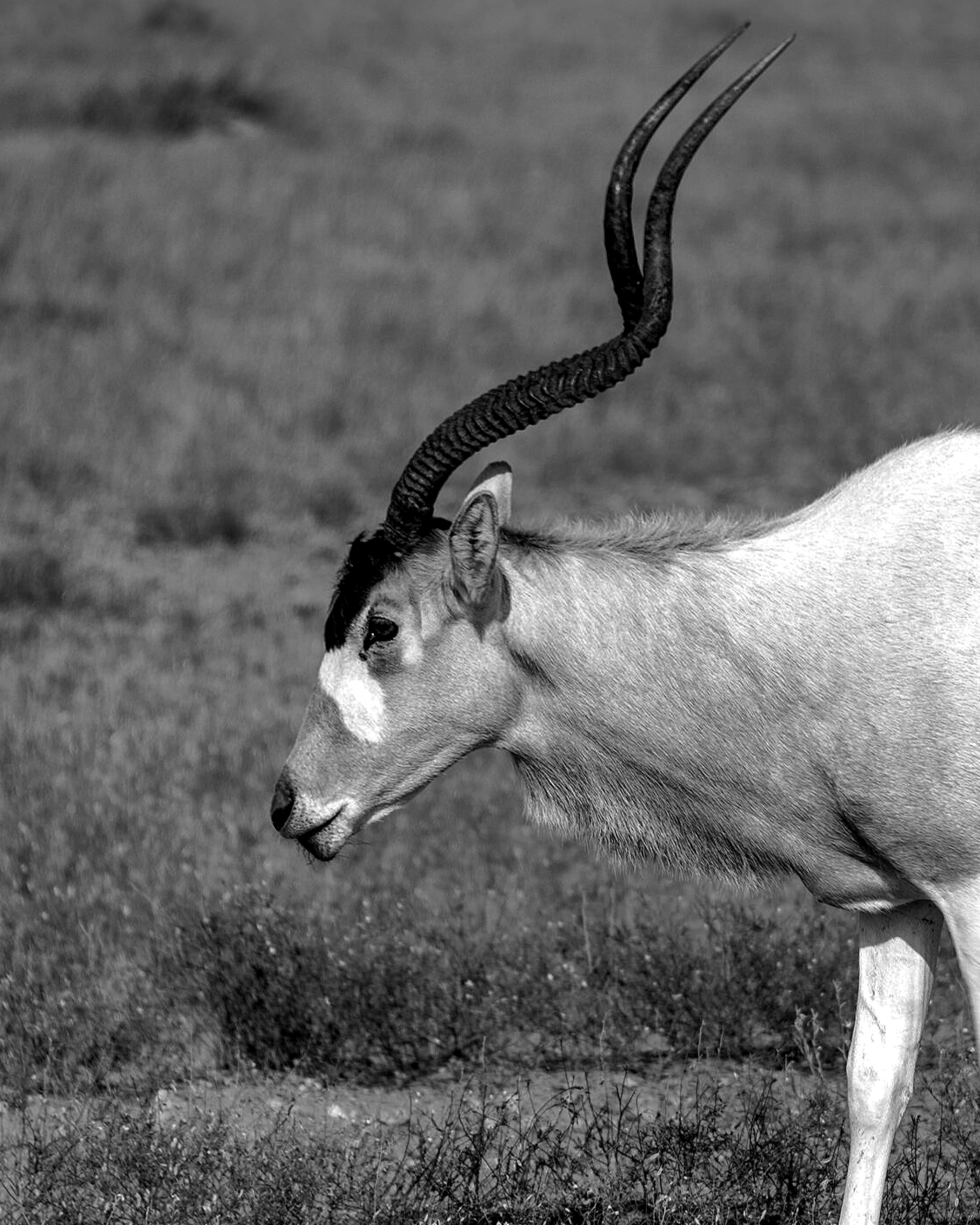

ADDAX
Coat: Changes seasonally. In summer, the coat is a sleek white or pale sandy-blonde color to reflect desert heat. In winter, it darkens to a grayish-brown or reddish-brown on the head, neck, and shoulders. A distinctive brown or black stripe runs from the top of the head down the bridge of the nose.
Size: Males typically weigh between 220–275 lbs. Females generally weigh between 130–200 lbs.

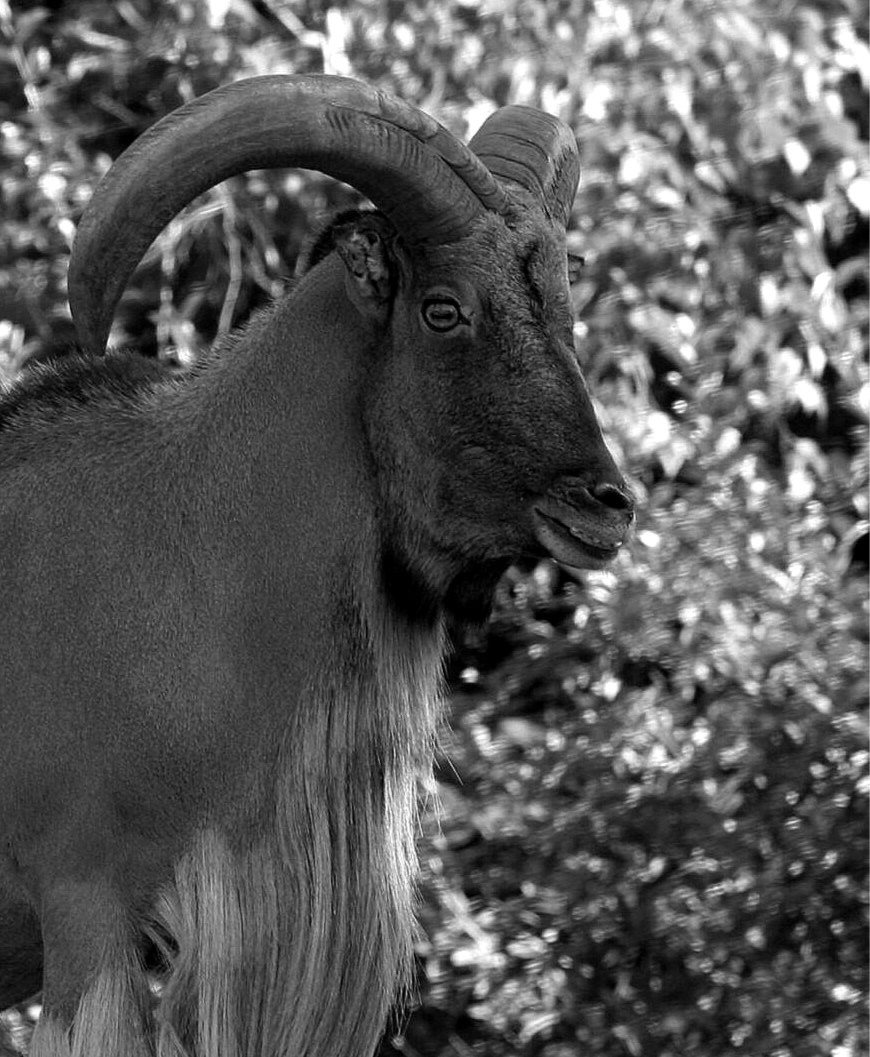
AOUDAD
Coat: A uniform sandy-brown, reddish-brown, or tawny color that provides excellent camouflage in arid environments. The hair is short and coarse over most of the body, but both sexes have a long, distinctive fringe of hair on the throat, chest, and front of the forelegs that can reach nearly to the ground. The coat does not change significantly with the seasons.
Size: Males typically weigh between 220–330 lbs.
Females generally weigh between 90–140 lbs.

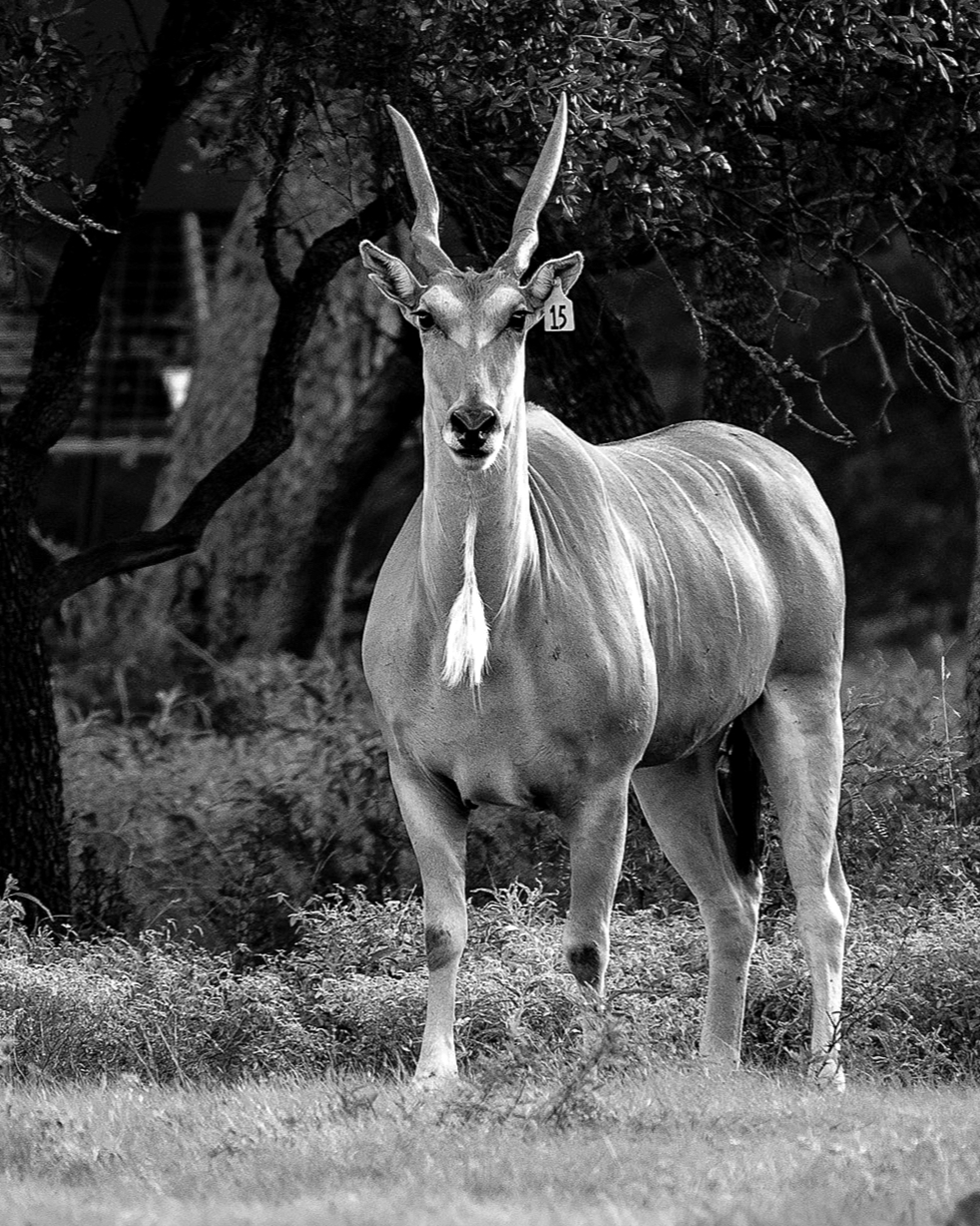
ELAND
Coat: Varies slightly by species and age. The coat is generally smooth and short, colored tan, tawny, or a sandy-brown to greyish-brown. Older males of the common eland often have a darker, almost blackish-blue coat. Some populations have fine vertical white stripes along their sides, which are more pronounced on the Giant Eland.
Size: Males typically weigh between 900–2,000 lbs, depending on the species. Females generally weigh between 600–1,300 lbs.

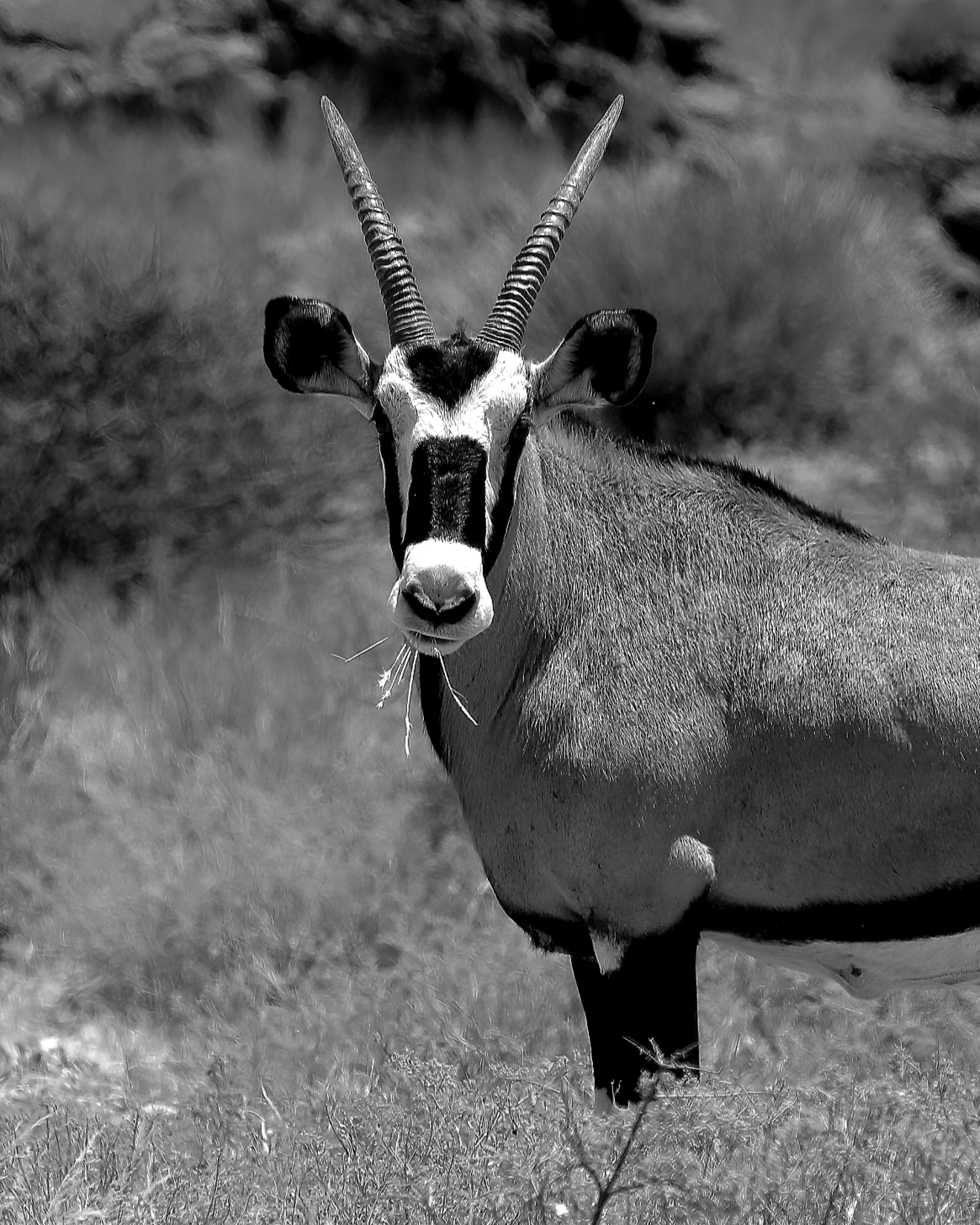
GEMSBOK
Coat: A striking pattern of colors. The main body color is a light grey-tan or fawn color. The most notable features are the bold black and white markings: a black stripe runs down the center of the back and another black stripe separates the colored upper body from the white underbelly. Black stripes are also prominent on the legs and the face.
Size: Males typically weigh between 400–550 lbs. Females generally weigh between 300–440 lbs.

NYALA
Coat: Males have a shaggier, darker slate-grey or brownish-grey coat with up to 14 thin white vertical stripes on their sides. They also have a long, shaggy fringe of dark hair running along their underparts and a crest of hair along their spine.
Females and juveniles are a contrasting bright chestnut or reddish-brown color with more prominent white vertical stripes and lack the shaggy ruff.
Size: Males typically weigh between 190–300 lbs.
Females generally weigh between 120–150 lbs.

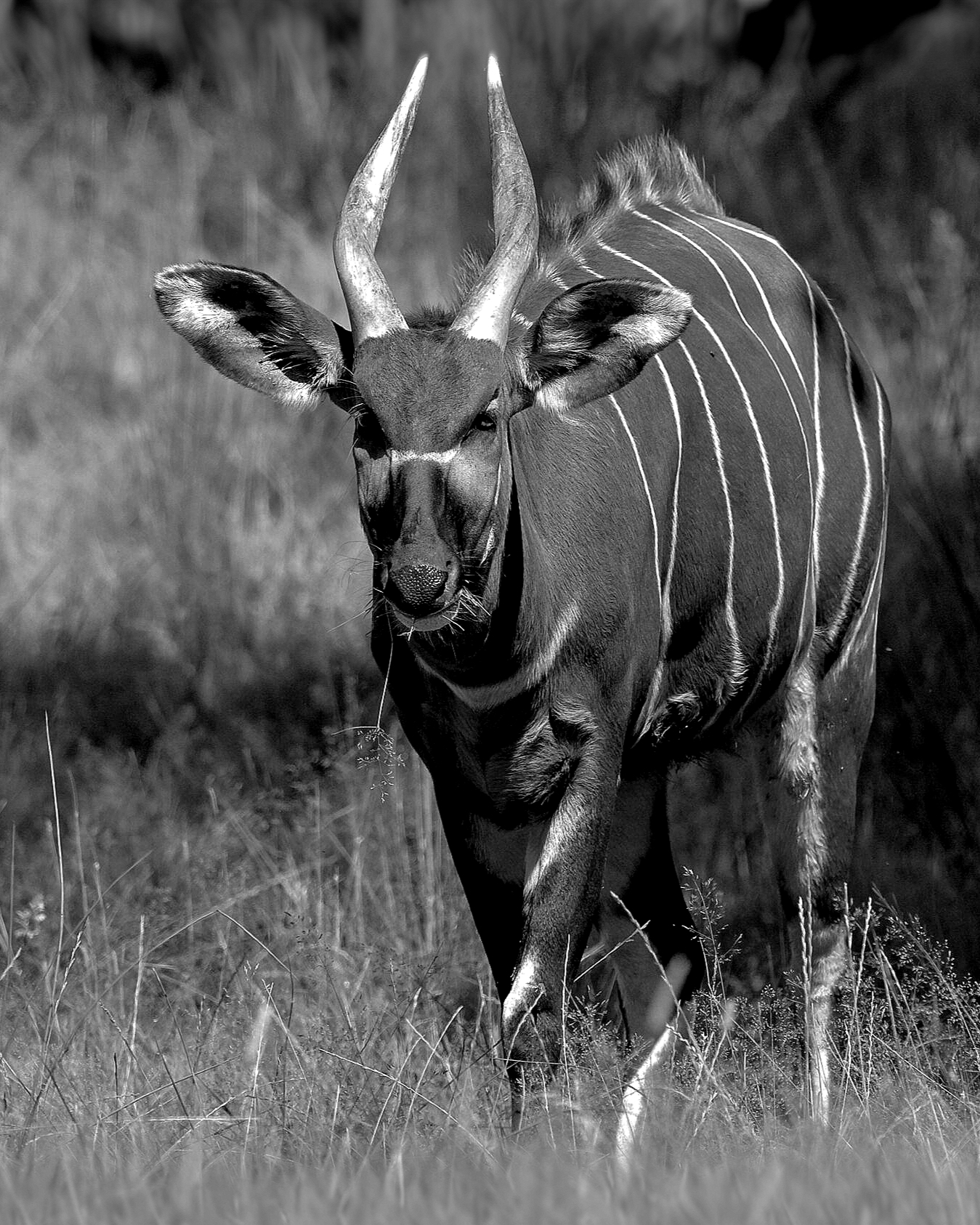
BONGO
Coat: A vibrant and glossy chestnut or reddish-brown color with a striking pattern of 10 to 14 vertical white stripes along its sides. Both sexes have a short, dark mane that runs along the spine. The coat color in males can sometimes darken with age to a more blackish-brown.
Size: Males typically weigh between 440–880 lbs. Females generally weigh between 330–660 lbs.

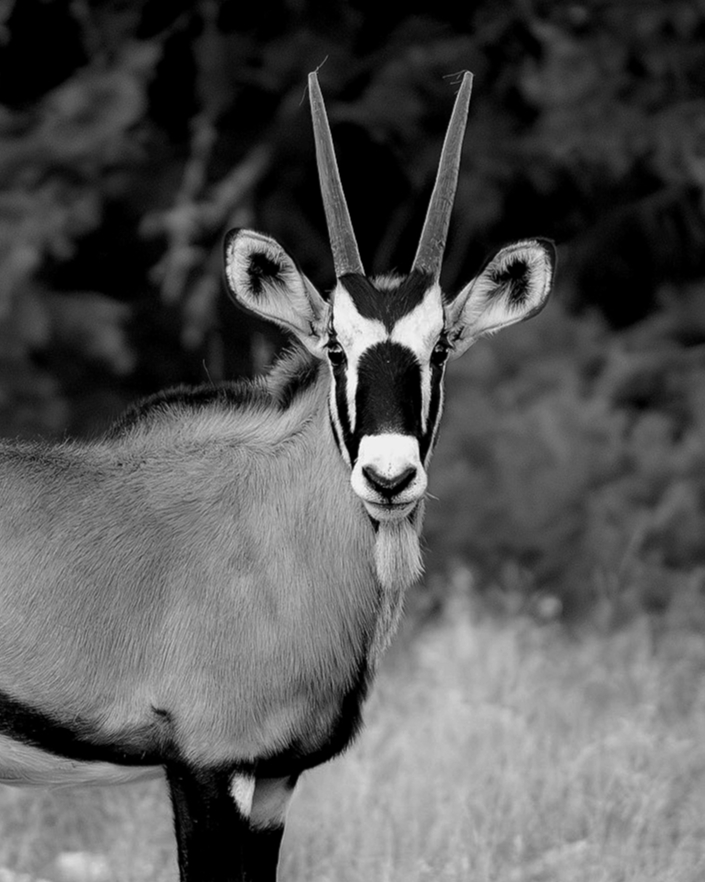
ORYX
Coat: Predominantly a light gray-brown or tawny color. It has striking contrasting black and white markings: a black stripe runs down the center of the back, and another black stripe separates the colored upper body from the white underbelly and continues down to form black bands on all four legs.
Size: Males typically weigh between 400–550 lbs.
Females generally weigh between 220–460 lbs.

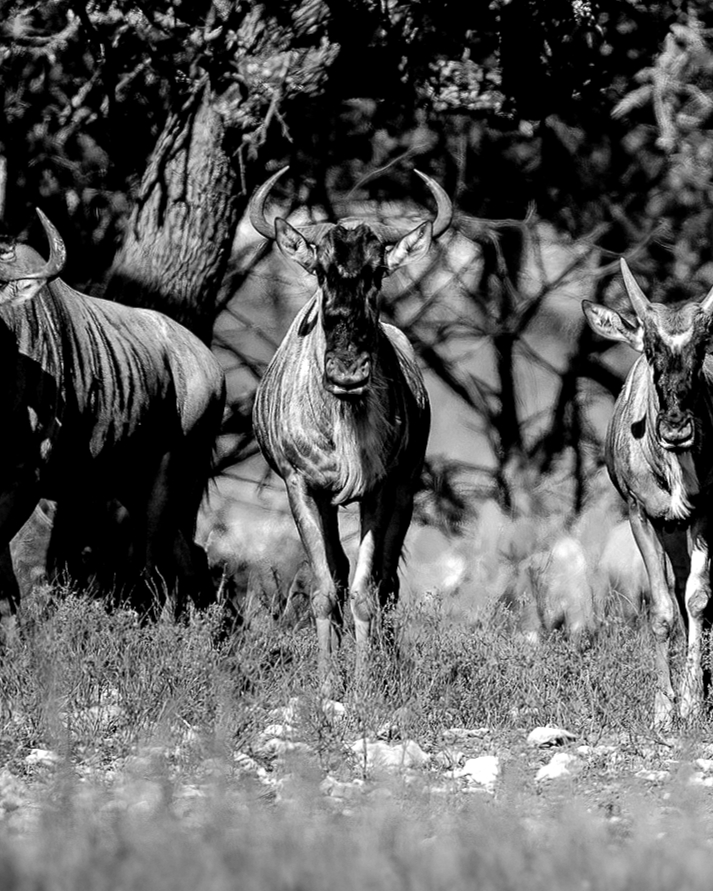
WILDEBEEST
Coat: A short-haired coat that varies by species. Blue wildebeest have a slate-gray or bluish-gray coat with dark vertical stripes on their shoulders and neck, giving them a brindled look. The black wildebeest has a dark brown to black coat. Both species have a thick, shaggy black mane and beard.
Size: Their weight ranges from 260 to 640 lbs, with males being heavier than females.

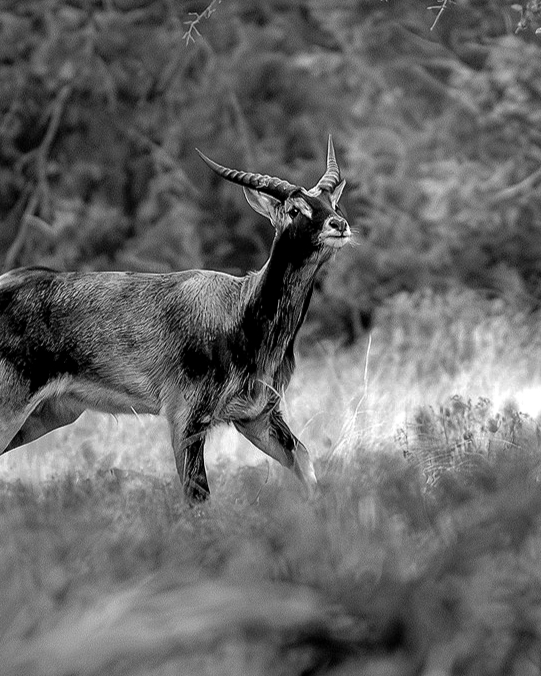
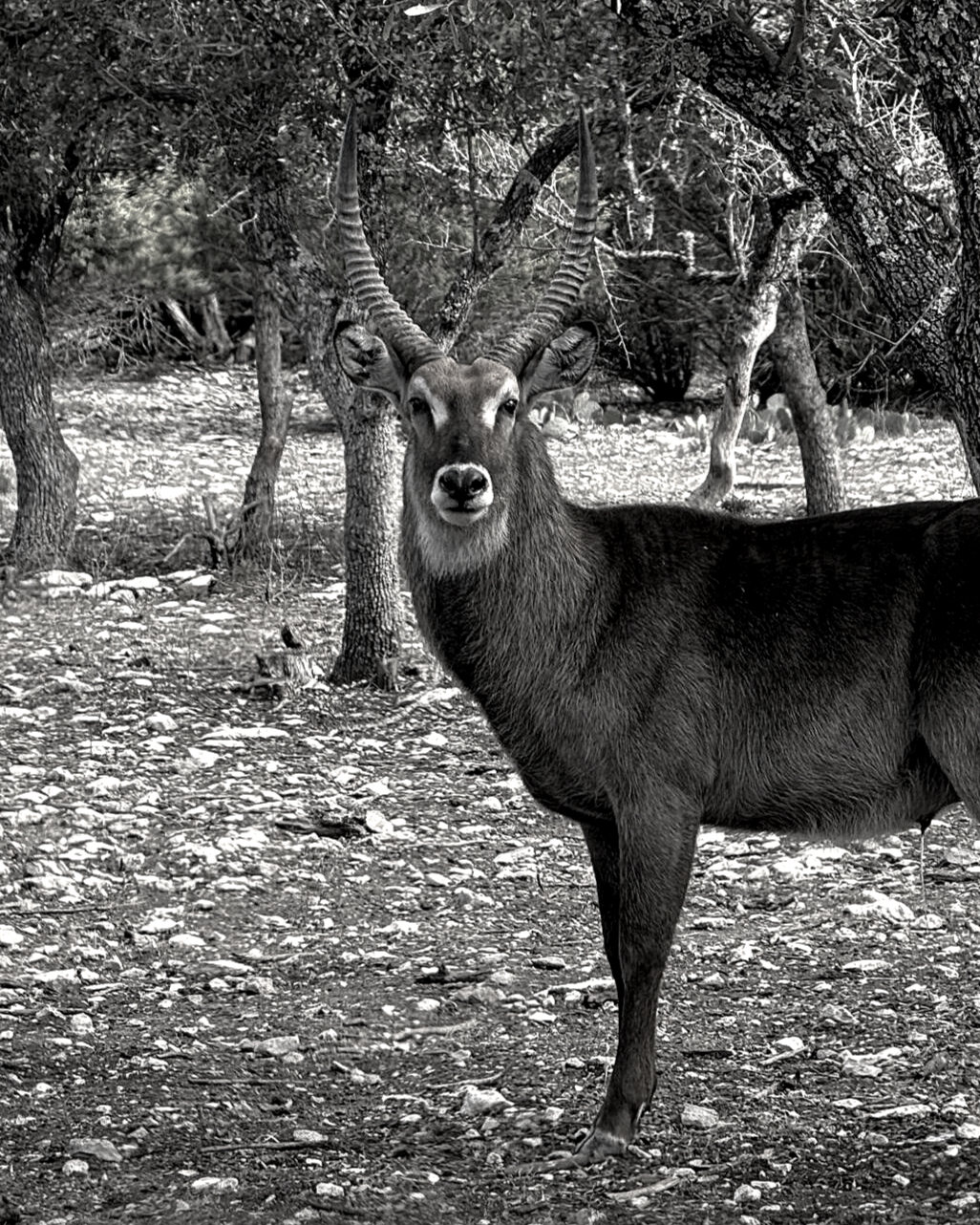
WATERBUCK
Coat: A coarse, shaggy coat that is a uniform reddish-brown to gray-brown color, becoming darker with age, especially in males. The hair is long and shaggy, and they secrete an oily, musky substance that waterproofs their coat and gives them a distinct odor.
Size: Males typically weigh between 400–600 lbs.
Females generally weigh between 260–400 lbs.

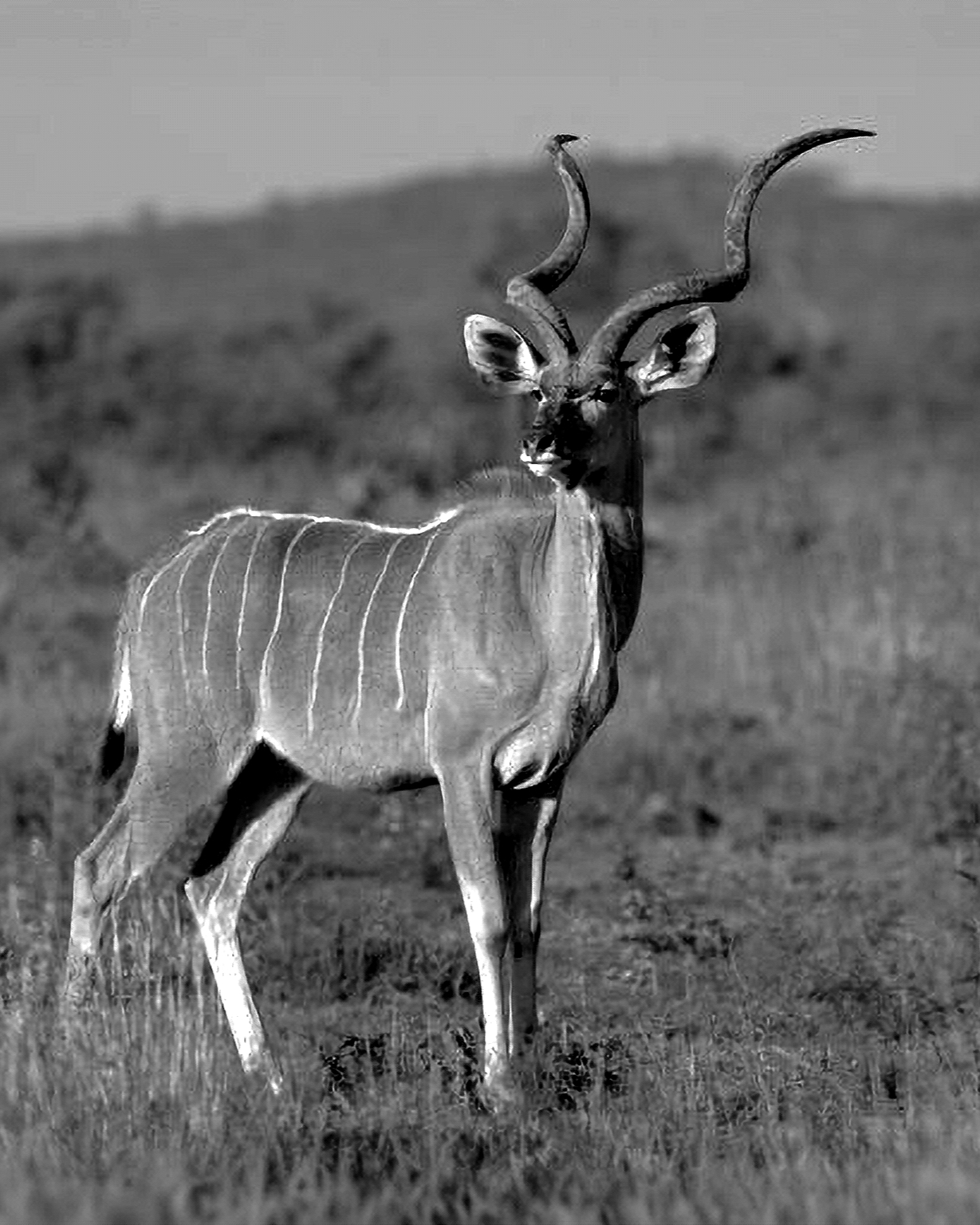
KUDU
Coat: A relatively short, smooth coat that varies from reddish-brown to bluish-gray. Both sexes have a series of 6 to 10 vertical white stripes running down their flanks. Males develop a prominent, long fringe of hair along their throat and neck, which is less developed in females.
Size: Males typically weigh between 400–600 lbs. Females generally weigh between 260–400 lbs.

IMPALA
Coat: The impala has a sleek, glossy, two-toned coat. The back and upper flanks are a rich reddish-brown or tan color, which fades to a lighter brown on the sides. There are distinctive black markings, including a narrow black line running down the middle of the lower back to the tail, black stripes on the back of each thigh, black on the ear tips, and in some subspecies, a black stripe down the nose. They also have tufts of black hair covering scent glands on their lower hind legs.
Size: Males typically weigh between 88–168 lbs. Females generally weigh less, around 88–99 lbs.

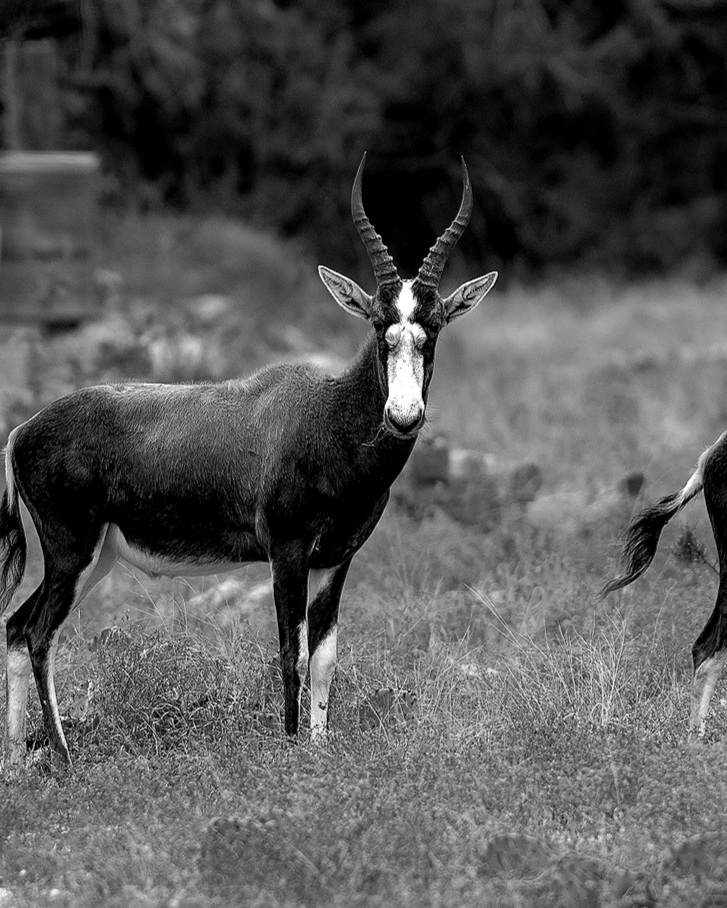
BLESBOK
Coat: A striking, glossy reddish-brown coat. They have very distinctive white facial markings that form a large white blaze from the horns to the nose, usually divided by a horizontal brown band between the eyes. Their lower legs are typically a paler brown or white.
Size: Males typically weigh between 150–190 lbs. Females generally weigh between 130–170 lbs.
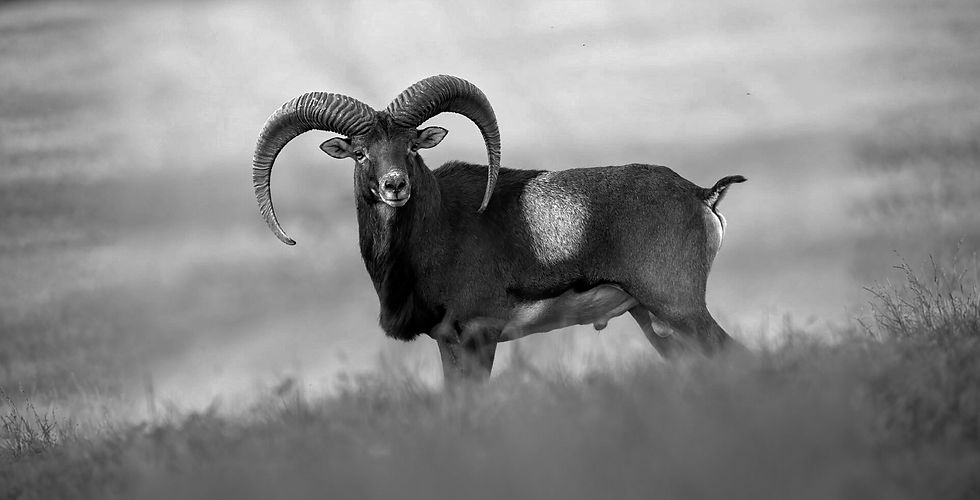
BONGO
Coat: Males are a striking reddish-brown or cinnamon-red in the summer months, fading to a more brownish-gray in winter. They develop a long, coarse black or dark ruff/mane on their neck and chest during the winter. Females are a lighter, uniform tan or beige-brown color and lack the distinctive male ruff. Some populations have a light-colored “saddle patch” on the back during winter.
Size: Males typically weigh between 75–120 lbs. Females generally weigh between 50–80 lbs.

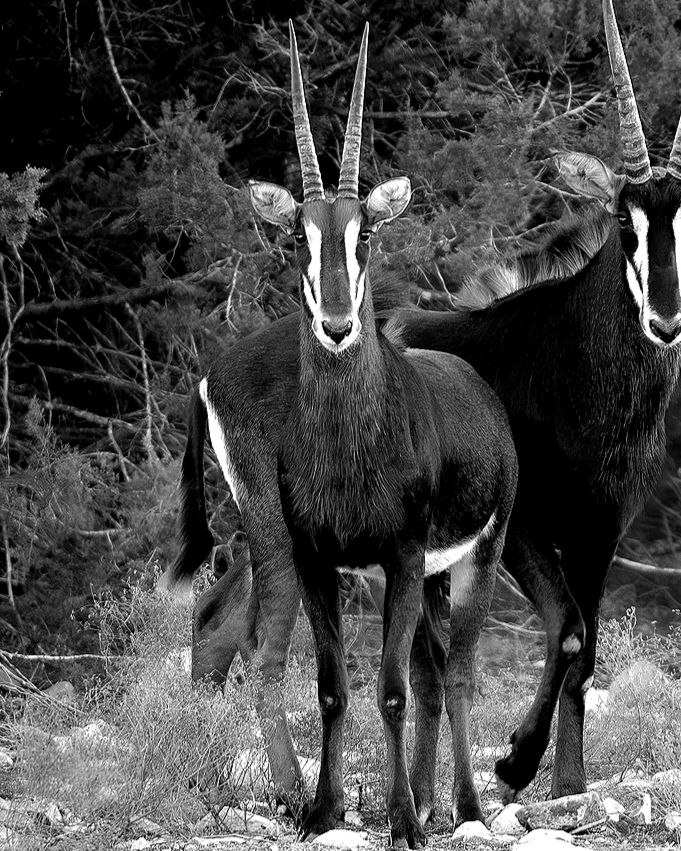
SABLE
Coat: A short, glossy coat that shows significant sexual dimorphism. Adult males (bulls) are a striking, jet black, contrasting sharply with their white facial markings. Females and young are a rich chestnut or reddish-brown color, which darkens as they age. Both sexes have a stiff, upright black mane running from the nape of the neck to the shoulders.
Size: Males typically weigh between 485–529 lbs. Females generally weigh between 484–490 lbs.

NILE LECHWE
Coat: Males are dark reddish-brown to blackish-brown with a striking large white patch of hair on the neck and shoulders, and a white facial mask. As they age, their coat darkens further, sometimes becoming almost black.
Females are a lighter, uniform golden-brown or fawn color, and lack the large white neck patch.
Size: Males typically weigh between 200–260 lbs. Females generally weigh between 130–200 lbs.

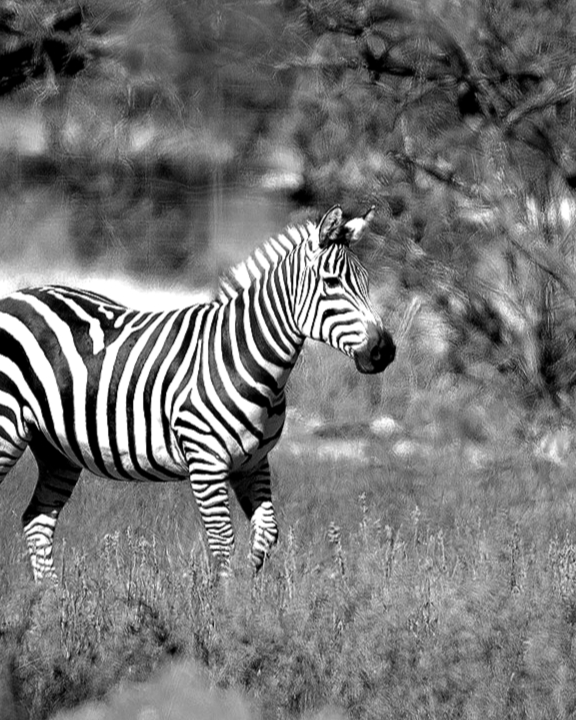
ZEBRA
Coat: The coat is covered in short hair with bold black and white stripes that are unique to each individual. The stripes are generally vertical on the forequarters and neck, and can become more horizontal on the hindquarters and legs depending on the species. The skin underneath their fur is entirely black.
Size: Zebras vary in size depending on the species, with males and females being roughly the same size, although some species exhibit slight sexual dimorphism.
Height: They stand between 3.6 to 5.25 feet tall at the shoulder.
Weight: Their weight ranges from 386 to 992 lbs.

DAMA GAZELLE
Coat: Known for its striking two-tone coloration, which varies depending on the subspecies. The body is predominantly white or creamy-white, while the neck, head, and legs are a contrasting reddish-brown or chestnut. A white patch is often present on the throat.
Size: Males typically weigh between 110–165 lbs. Females generally weigh between 77–130 lbs.